
Sajaa Pickup Rental · Customer guidance
Use verified load data
Heavier cargo needs more than an approximate description. Request supplier weights, pallet dimensions and the number of units. Include packaging in the gross weight. The listed 7, 10 and 12 ton names are enquiry categories; ask the business to confirm availability and the permitted payload of the particular vehicle.
Review site access first
A larger truck needs an appropriate collection and delivery position. Check turning space, entrance clearance and the loading arrangement with the site manager. If a forklift will be used, confirm access and equipment at both ends. Share these details before assuming a larger vehicle can reach your loading point.
Plan distribution and unloading
Tell the transport team which units are heaviest and what must unload first. The loading team should decide safe distribution and restraint. Do not direct a load arrangement based only on the total weight. Identify fragile, awkward or non-stackable units that change the usable cargo space.
Request the missing details
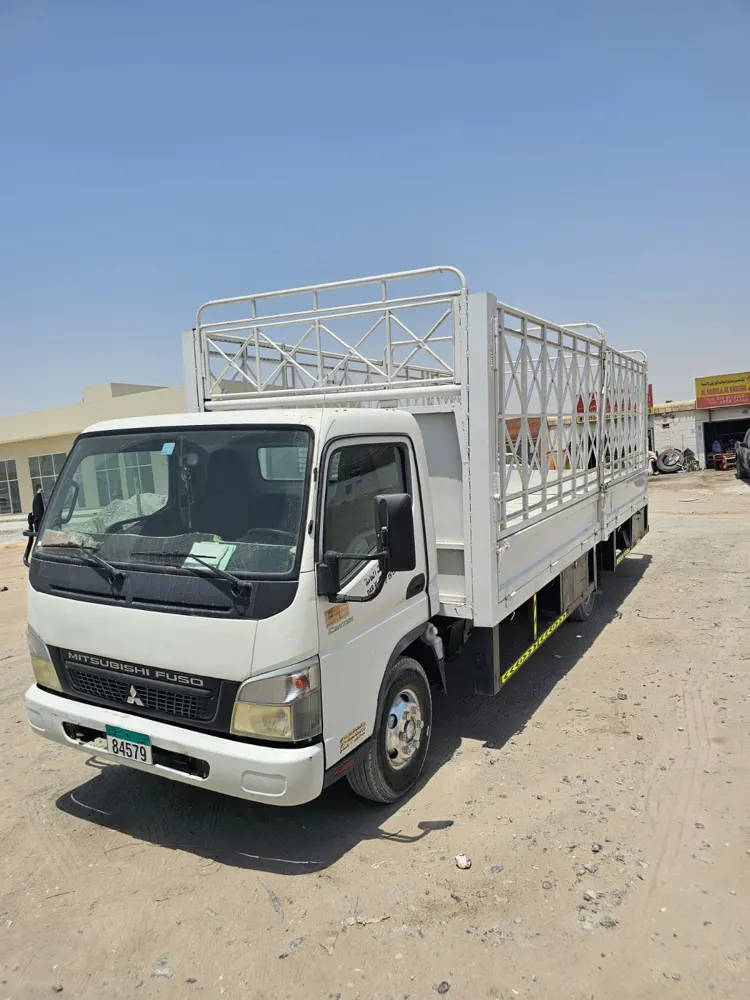
Ask for current photos, bed dimensions and body configuration when enquiring about a larger class. Do not rely on a smaller truck’s image as a substitute. Confirm the route, protection, waiting time and equipment needs before booking. A heavier class is not a guarantee that every industrial load is suitable.
Your pre-booking checklist
- Supplier weight data
- Site clearance
- Loading equipment
- Current vehicle specification
General planning guidance, not a vehicle specification or specialist lifting instruction. Confirm the assigned truck and job requirements before booking.