
Sajaa Pickup Rental · Customer guidance
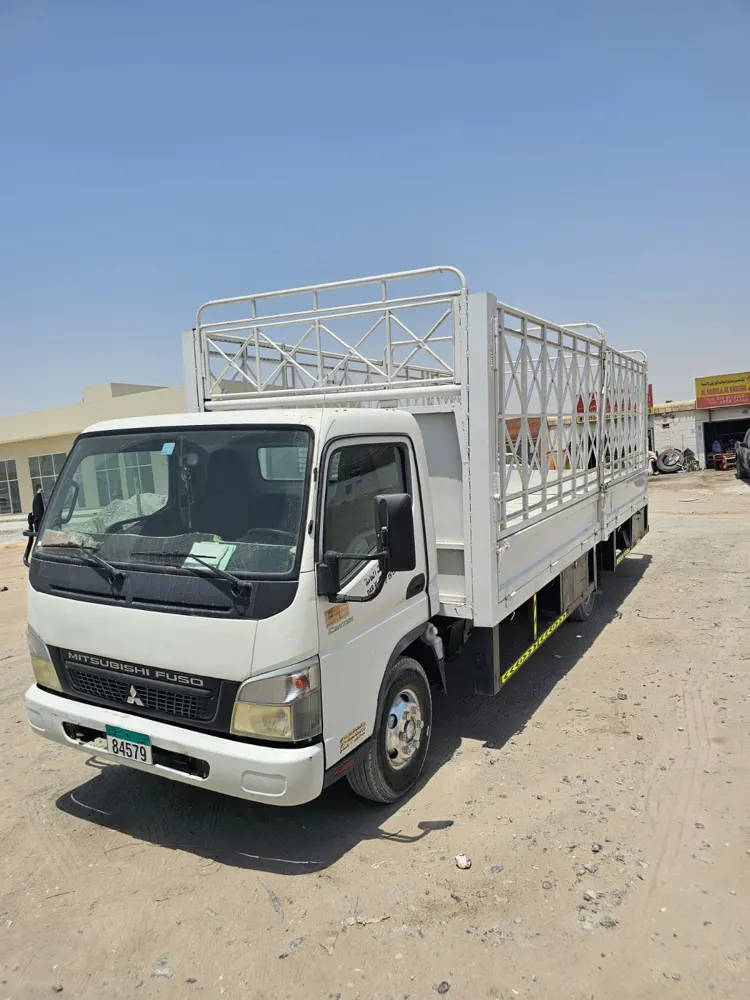
The names are only the starting point
A 3 ton or 5 ton listing identifies a vehicle class offered by a transport business. It does not independently verify the legal payload of the particular truck arriving at your site. Request that figure separately. Body length, side height and loading configuration can also differ between vehicles with similar labels.
Bulk and density change the choice
Cartons and furniture can consume space quickly, whereas dense materials may reach the weight limit first. Prepare the quantities, measurements and gross weights before comparing vehicles. Do not convert an approximate pile size into an assumed weight. If the supplier has a packing list, use it to make the discussion more accurate.
Compare one trip with several
Ask whether the complete load can safely travel in one vehicle. Include loading order, items that cannot be stacked and any separate delivery stops. Several smaller trips introduce repeated handling and waiting, but a bigger vehicle is not automatically better if access is restricted. Compare the whole job rather than the tonnage label.
Confirm the agreed scope
Discuss the assigned truck, loading assistance, waiting time and any return journey. Ask whether protection or specialist equipment is required for your goods. The useful comparison is a documented transport plan with a confirmed quote, not a promise that one class always suits every office, shop or household.
Your pre-booking checklist
- Gross load weight
- Non-stackable items
- Truck access
- Number of trips
General planning guidance, not a vehicle specification or specialist lifting instruction. Confirm the assigned truck and job requirements before booking.